
ELECTRONICS DEVELOPMENT SERVICES
Selected Advanced Solutions Delivered
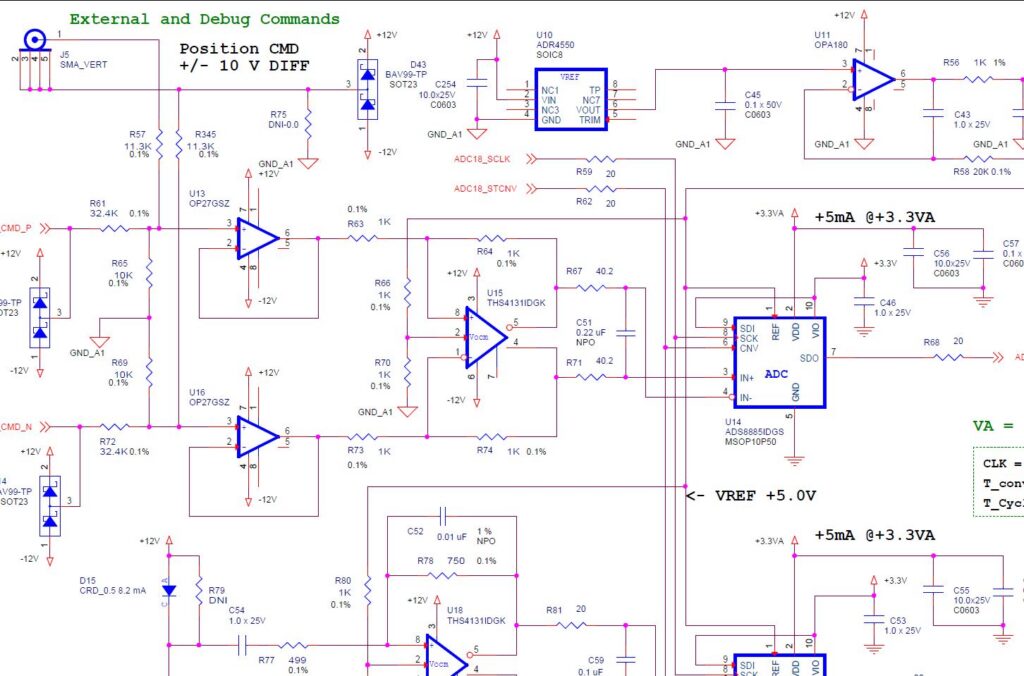
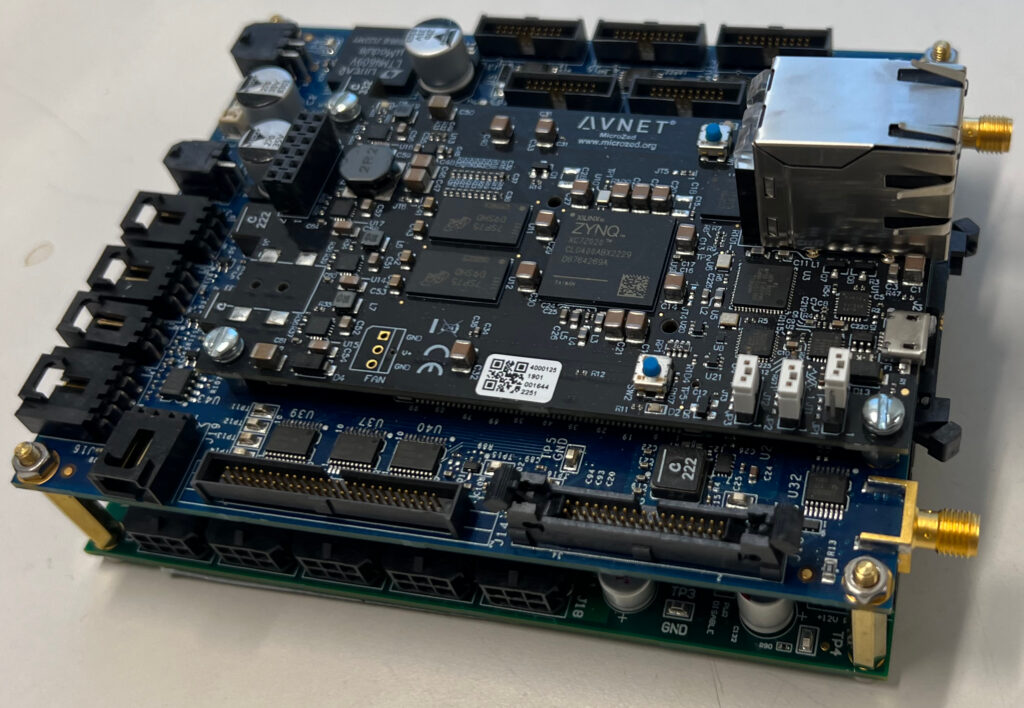
OTS MicroZed-Based Industrial Machine Controller
The solution was built around an off-the-shelf MicroZed™ SoC module from Avnet, enabling rapid development while minimizing hardware risk and NRE.
System Architecture
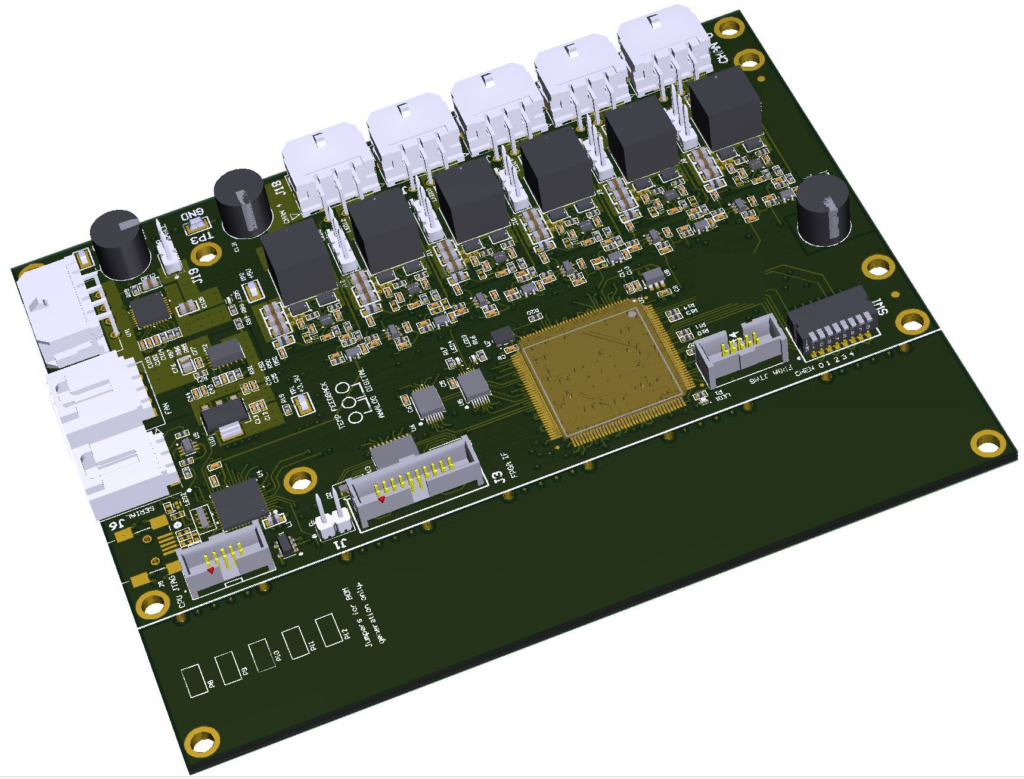
The controller employed a stacked (piggy-back) architecture, with the MicroZed module mounted on a custom system integration board. The carrier board provided extensive connectivity to the rest of the machine, including:
Analog and digital acquisition (AqB) sensors
High-speed and low-speed serial links to motor and actuator controllers
On-board ADCs, DACs, and general-purpose I/O
Interfaces to auxiliary subsystems across the machine
This modular approach simplified system integration while maintaining flexibility for future expansion.
Key Technical Challenges
1. System-Wide Clock Distribution & Synchronization
The primary challenge was distributing the main system clock and ensuring that all boards operated synchronously within the same time domain. Deterministic timing was required to meet tight performance and coordination requirements across sensing, control, and actuation paths.
2. ESD Robustness Without Functional Degradation
A secondary challenge was passing industrial ESD compliance testing while preserving full system functionality. The dense I/O environment and mixed-signal interfaces required careful protection strategies to avoid latch-ups, resets, or degraded performance.
Outcome
Through careful clock-tree architecture, signal integrity analysis, and robust ESD protection and grounding strategies, the system achieved deterministic operation across all subsystems and successfully passed ESD testing without loss of functionality—delivering a reliable, production-ready industrial machine controller.
Mixed-Signal High-Speed Acquisition Subsystem
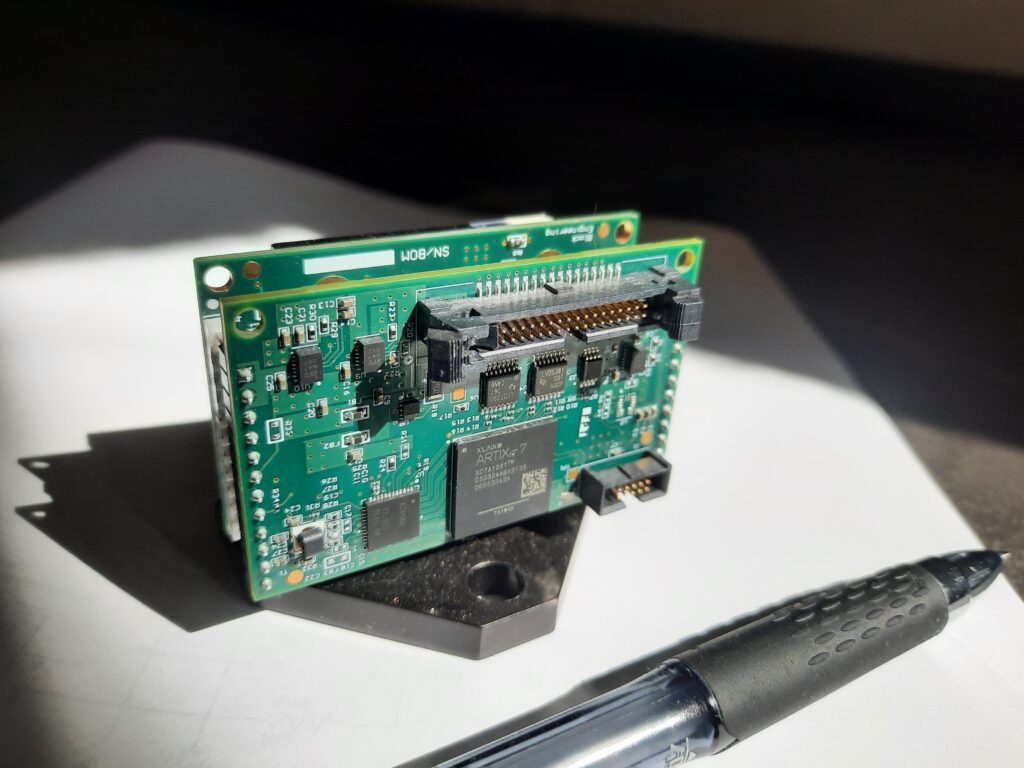
The solution consists of a two-board stacked architecture separating sensitive analog circuitry from high-speed digital processing.
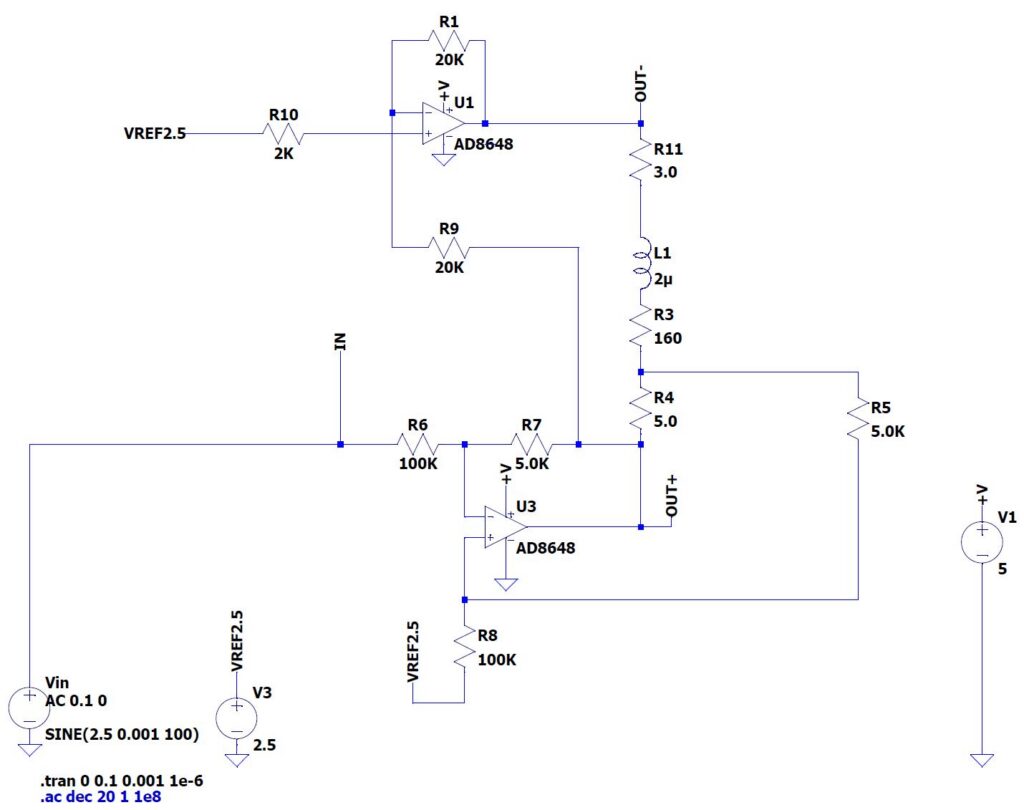
The analog board implements a low-noise, 100 MHz bandwidth front end directly interfacing to a high-speed photodetector. It includes a variable-gain linear amplifier and closed-loop control of a thermoelectric cooler (TEC) to stabilize detector temperature and noise performance.
The digital board integrates a 250 MHz ADC and an FPGA for real-time signal processing. Processed data is transferred to the main system integration PCB over a high-speed serial link, enabling low-latency, high-throughput operation.
Key Technical Challenge
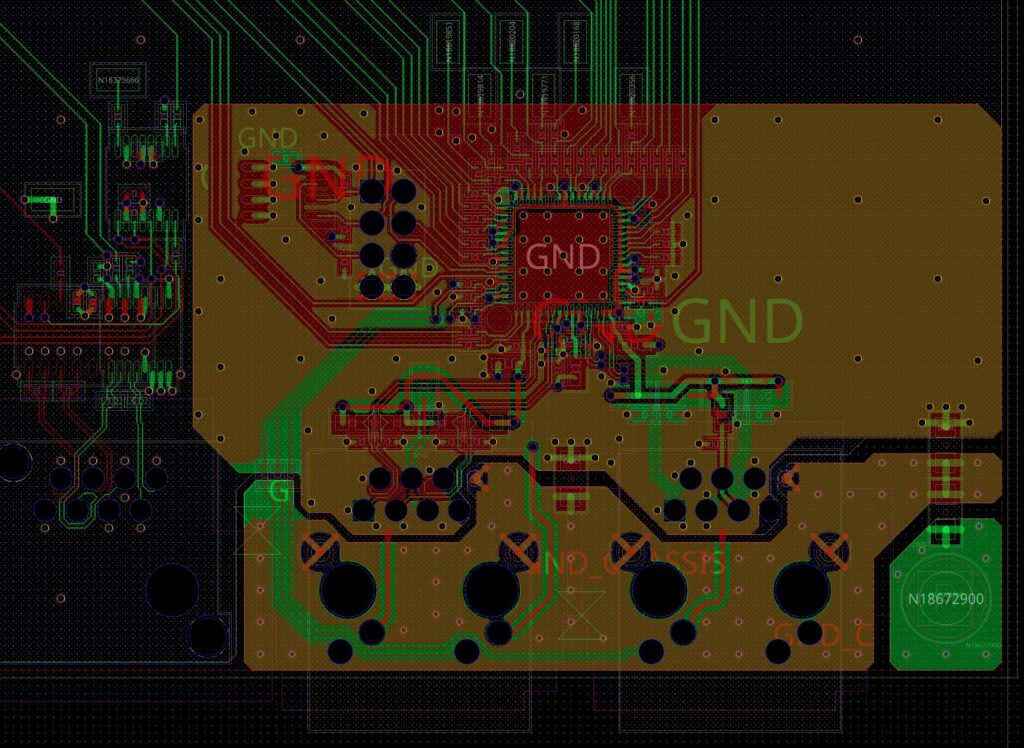
The primary challenge was electromagnetic interference (EMI) generated by FPGA DC/DC converters within the power-distribution network, which directly impacted the RF analog input path.
Mitigation & Results
Through careful power-tree architecture, PCB stack-up optimization, partitioning of analog and digital grounds, targeted filtering, and layout-level EMI containment, the design achieved robust isolation between switching power noise and the low-level analog signal path—meeting bandwidth, noise, and linearity requirements.
Why choose AESEES Electronics Design Services?
Development Speed and Quality
Our structured development process, combined with deep expertise in component selection, schematic capture, PCB layout, and system architecture, significantly shortens development cycles. Reusable building blocks and proven design patterns enable us to move efficiently from concept to a working system.
We have also established strong relationships with a trusted network of PCB manufacturers and engineering partners, including local providers, allowing rapid turnarounds, flexible resourcing, and early issue resolution. Together, these capabilities substantially improve schedules while reducing execution risk.
Cost-Effective Solutions
AESEES extensively leverages off-the-shelf (OTS) modules to drastically simplify system design and accelerate time-to-market. By optimally combining OTS platforms with fully proprietary boards, we minimize NRE, reduce technical risk, and enable rapid prototyping with early system-level validation—without sacrificing performance, scalability, or IP ownership.
Expertise
Members of our engineering team began their electronics hardware design careers over 30 years ago, bringing deep, hands-on experience in sensor and actuator interfacing and close collaboration with mechanical and packaging engineers. We routinely address thermal management, EMI and ESD compliance, and design-for-manufacturing considerations to ensure robust, production-ready solutions that scale reliably into manufacturing.
Collaboration
We provide flexible on-site and off-site engagement models, working as an extension of your engineering team. Close technical collaboration, transparent communication, and hands-on problem solving ensure successful delivery of complex, high-performance systems on time and budget.